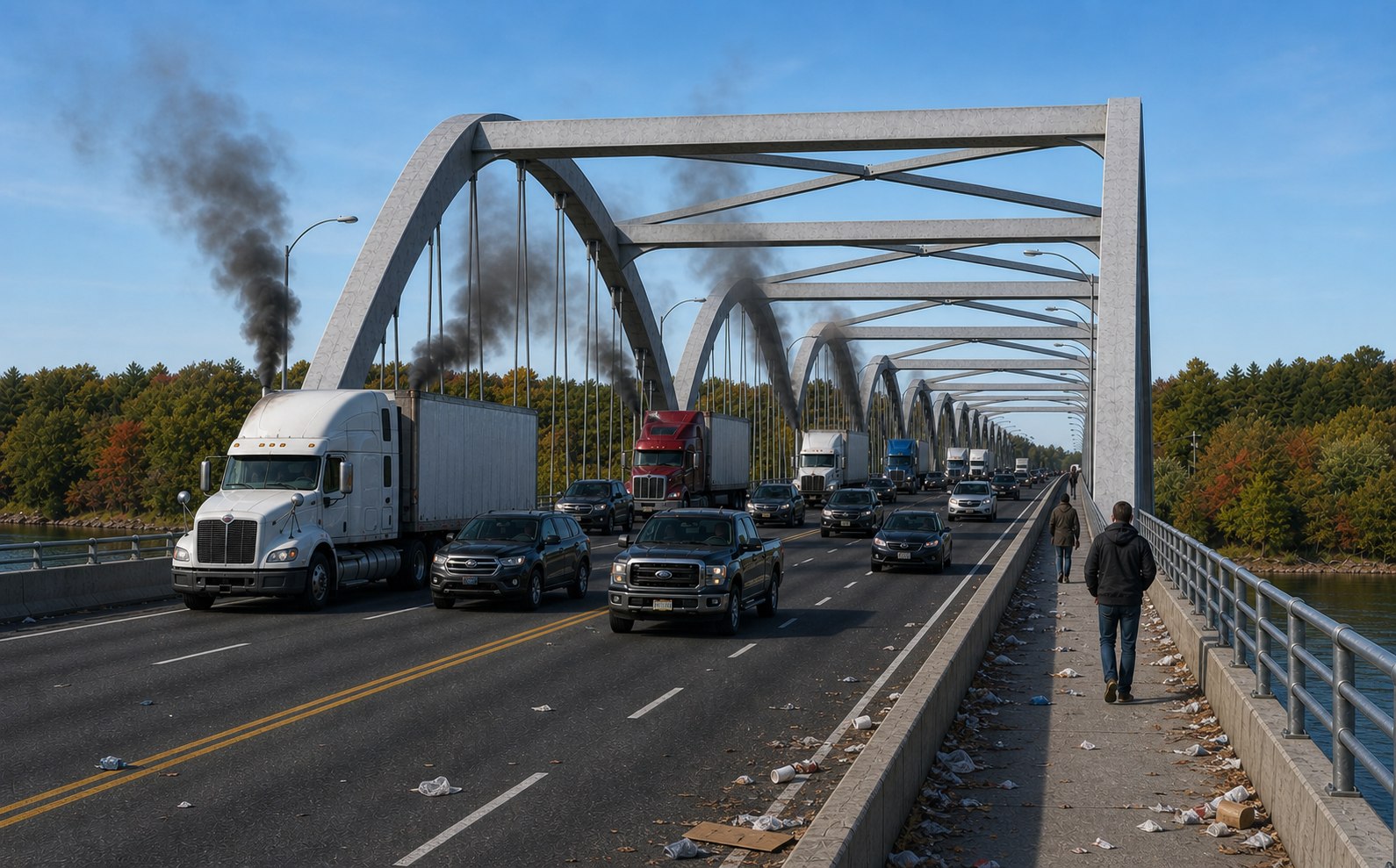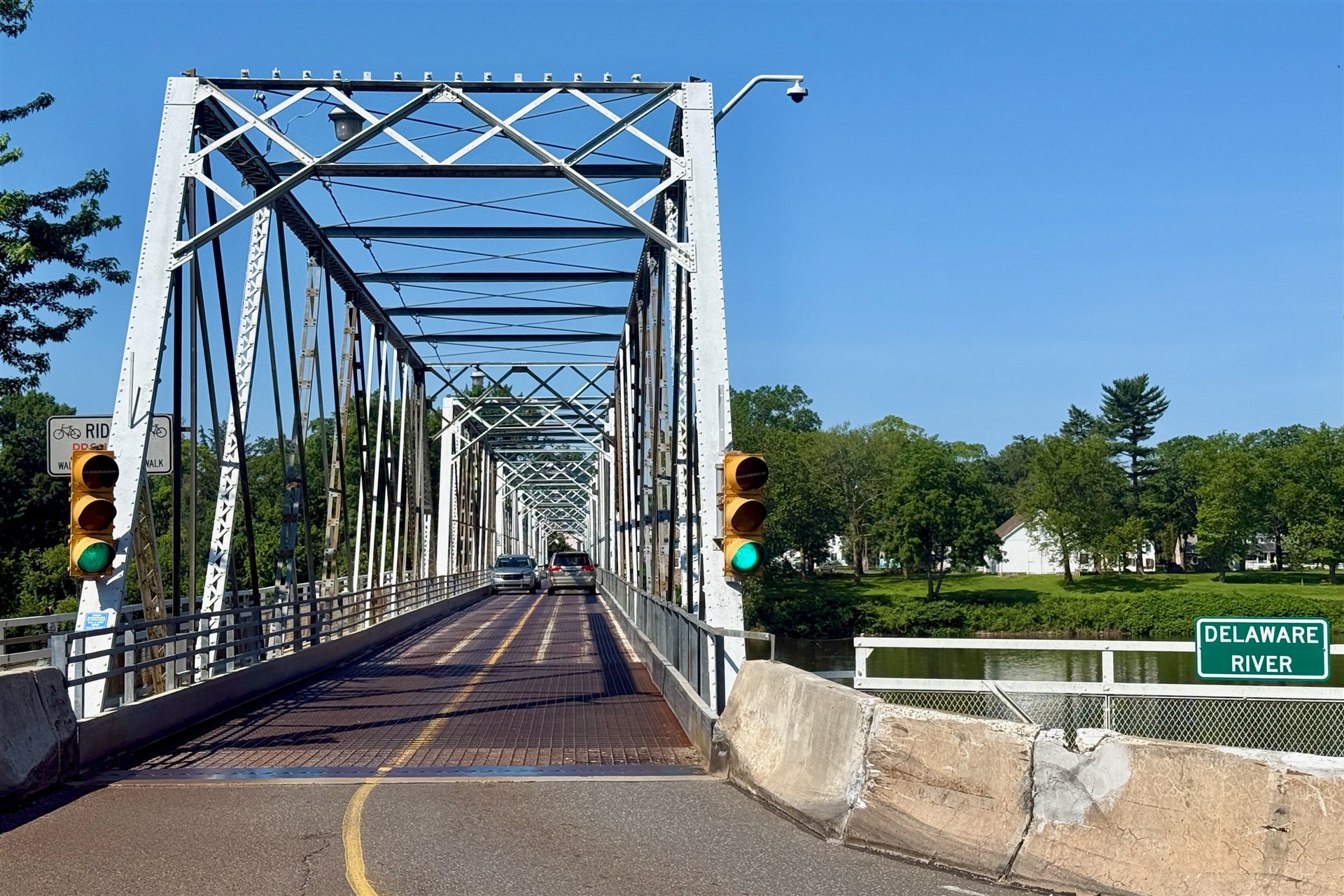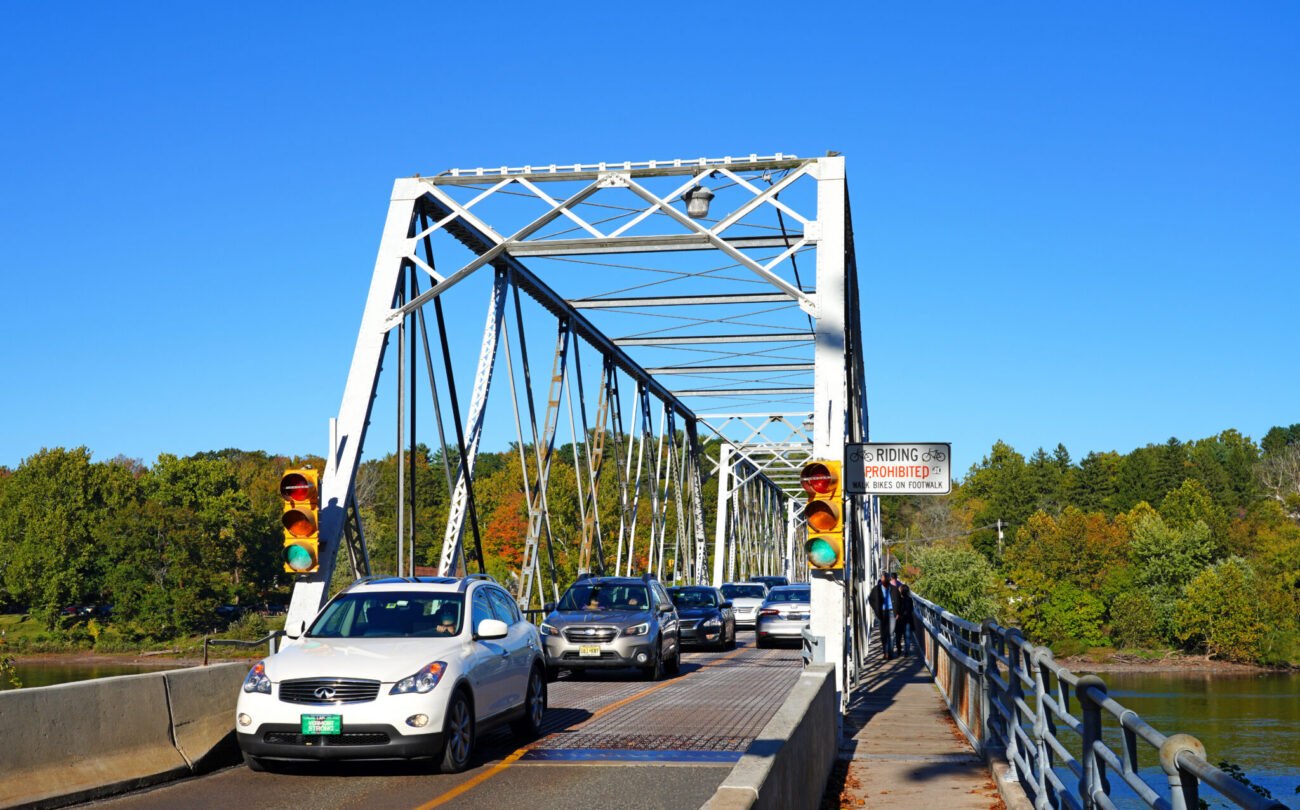
The Delaware River Joint Toll Bridge Commission wants to build a replacement bridge with 12-foot lanes, full shoulders, and no weight restrictions.
This will bring more noise, more pollution, longer commute times, and could impact the value of your home. Say no to the DRJTBC's plan. Say no to destroying Washington Crossing.
The Real-World Consequences
The bridge isn't just infrastructure. It's the gateway to everything that makes Washington Crossing worth protecting. Make it 3× wider and everything changes.
The current 3-ton weight limit is what keeps 18-wheelers, cement mixers, and heavy commercial vehicles out of Washington Crossing. A modern replacement bridge has no weight limit. From day one, trucks would roar through streets lined with historic buildings that sit on dirt foundations that cannot withstand the vibrations.
Today's bridge carries about 7,200 crossings a day, controlled by its narrow lanes and 15 mph limit. A full-width modern crossing removes every friction point. Regional through-traffic that now avoids this route would flood in. The road into Washington Crossing is not designed for this. Neither is the village.
More traffic means exhaust, diesel particulates, and road noise, constantly. The historic park, the Delaware Canal towpath, and the riverfront walking paths become less a sanctuary and more a highway shoulder. What families come here to escape would follow them home.
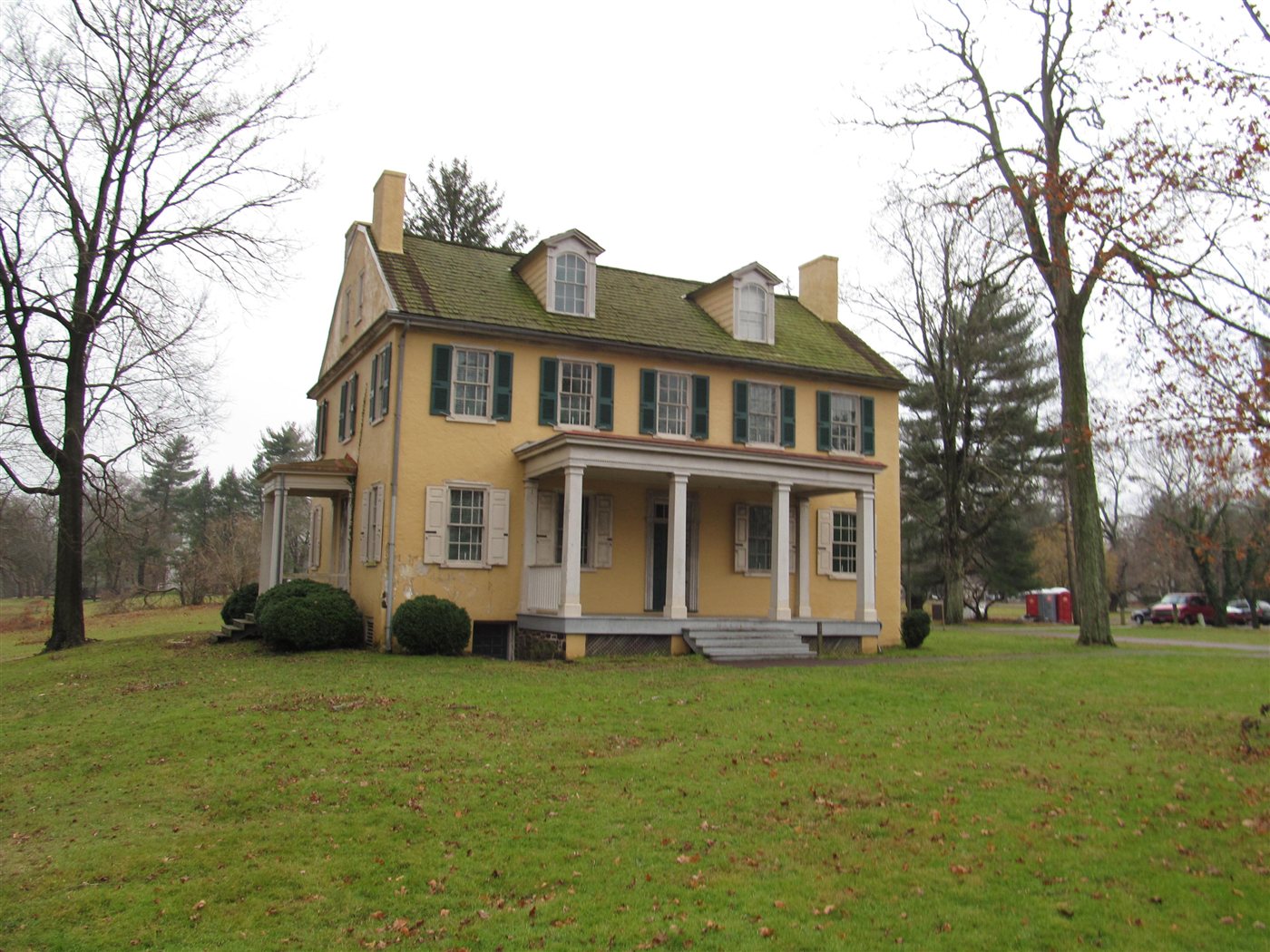
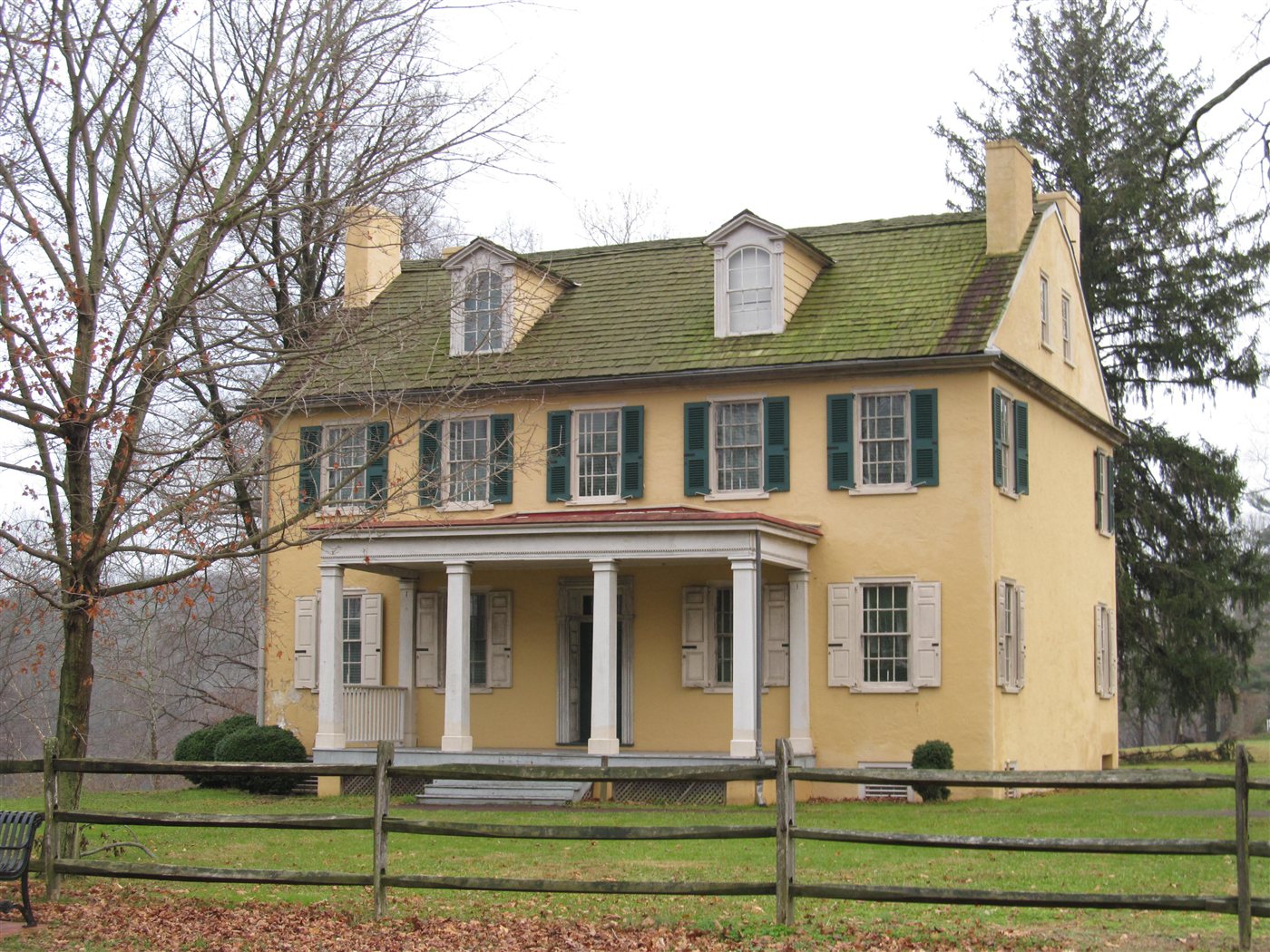
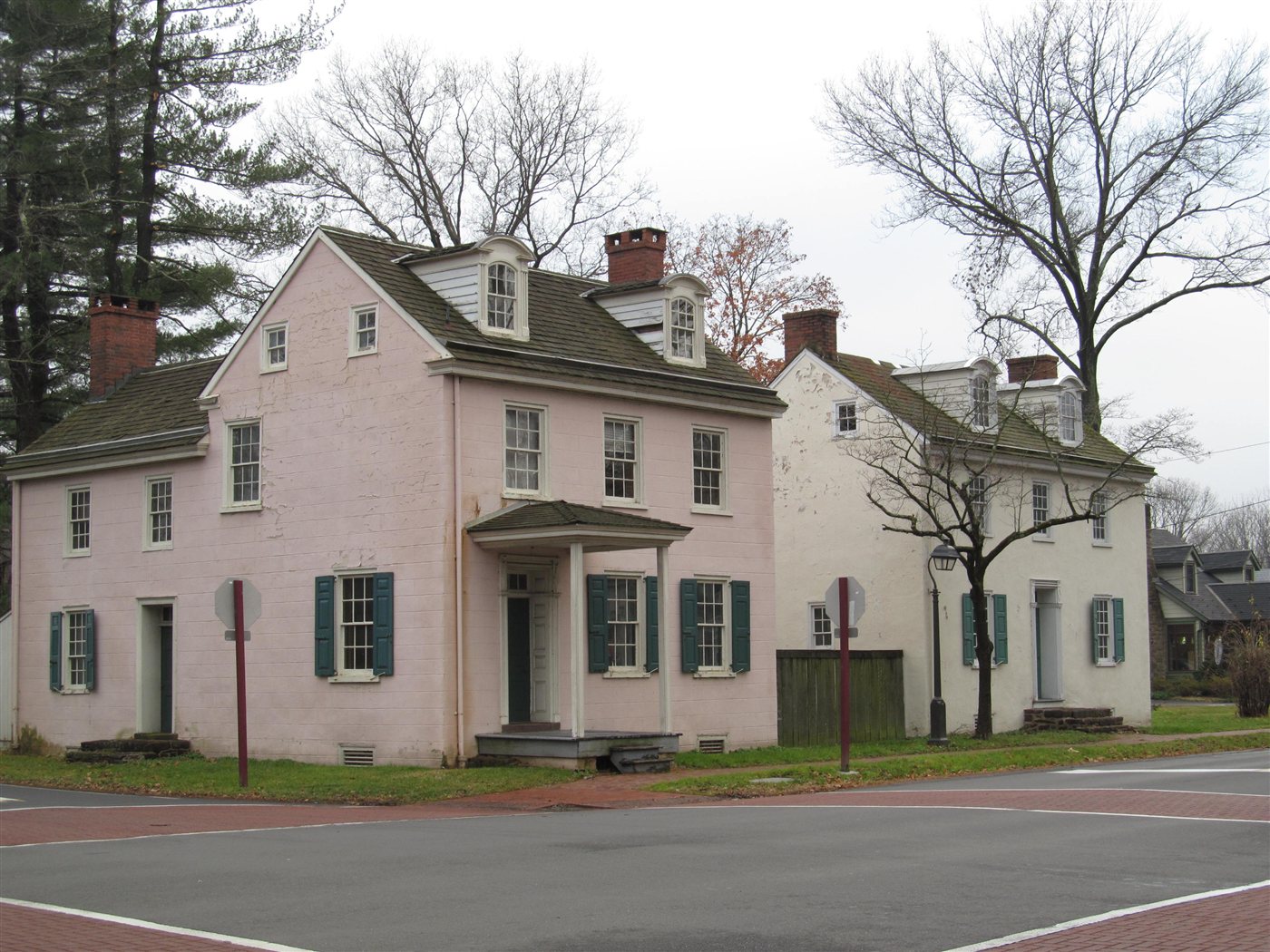
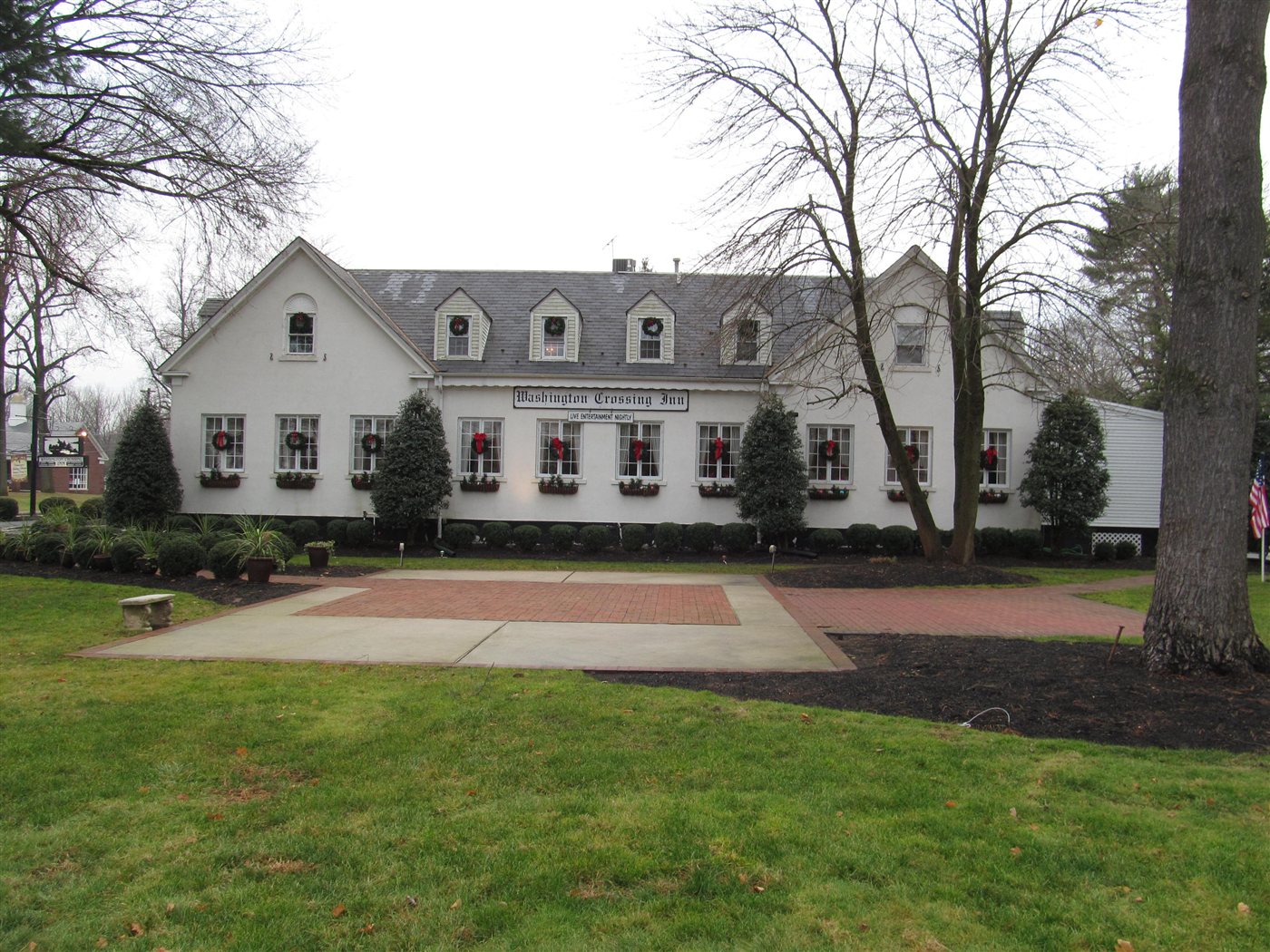
Washington Crossing's historic structures, some dating to the era of George Washington's 1776 crossing, have dirt and rubble foundations. Expert testimony confirms they cannot withstand the vibrations of heavy truck traffic. Once damaged, these buildings cannot be restored to what they were.
A wider bridge needs wider approach roads. The DRJTBC is studying multiple alignment options, including routes that would cut through currently intact parts of the historic village. Whatever road network is needed to feed a modern crossing will reshape the entire neighborhood, not just the river crossing.
Building a replacement bridge means years of pile driving, concrete pours, lane closures, detour traffic, and construction equipment pounding through the community, all immediately adjacent to Washington Crossing Historic Park, the Delaware Canal, and the village's historic core.
What We're Protecting
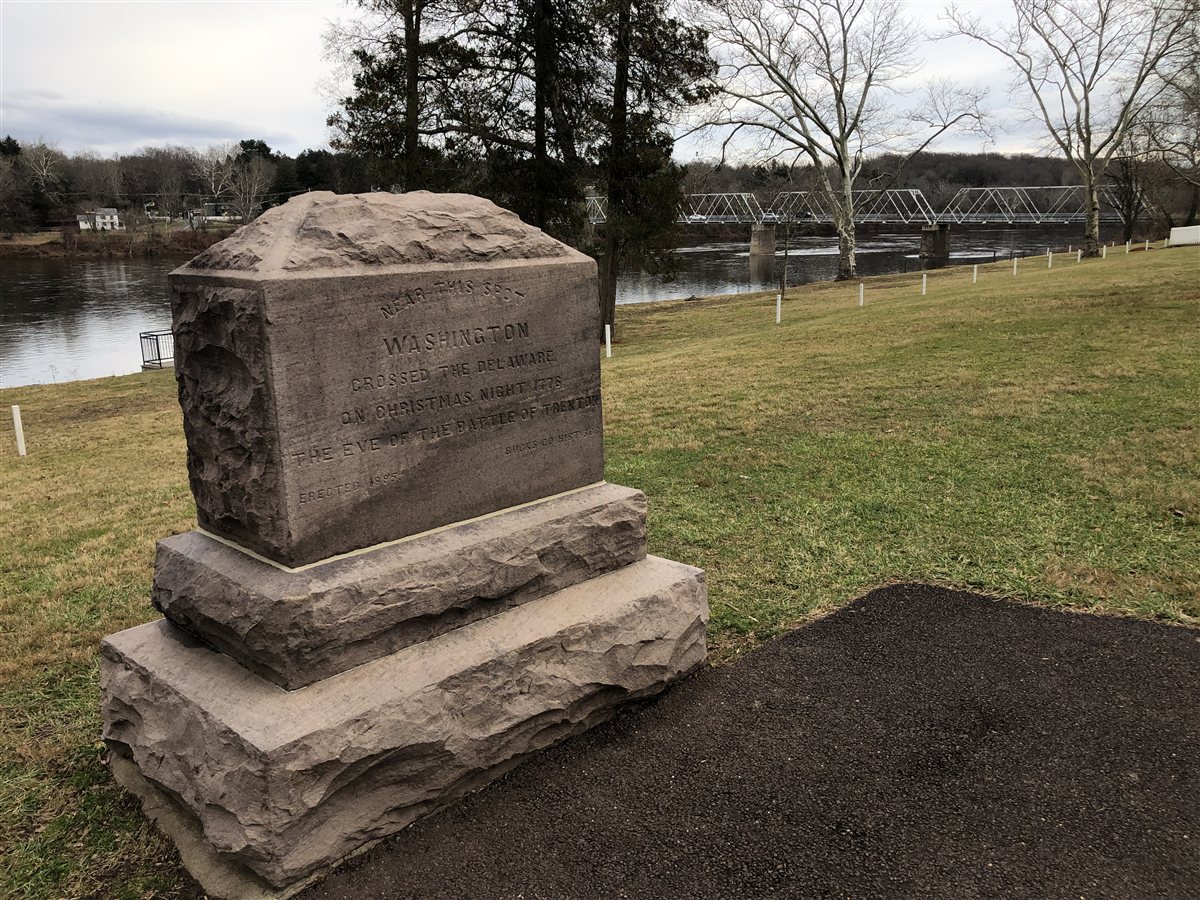
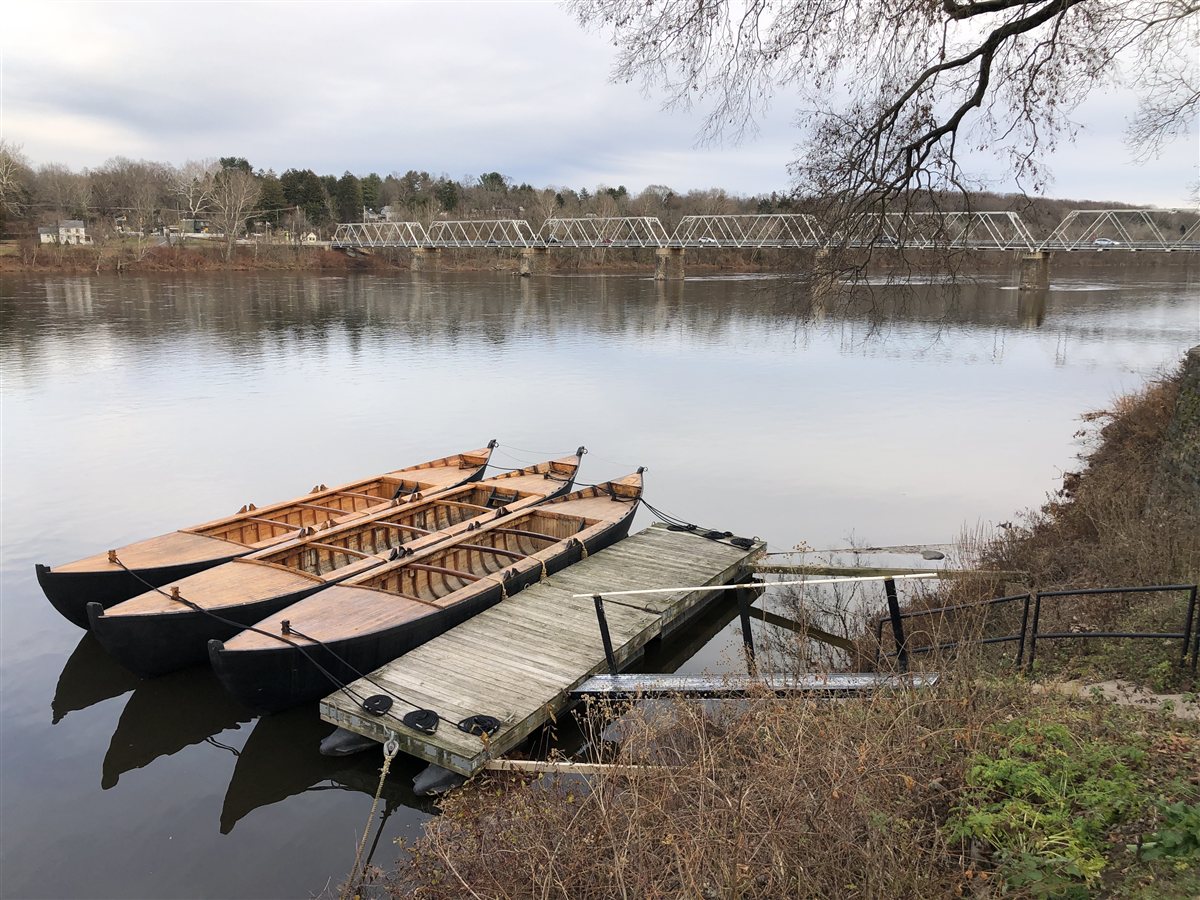
Washington Crossing is not just a postcard; it is the site of one of the most consequential moments in American history. On Christmas night 1776, General George Washington crossed the Delaware River here to attack the Hessians at Trenton. The outcome changed the course of the Revolutionary War.
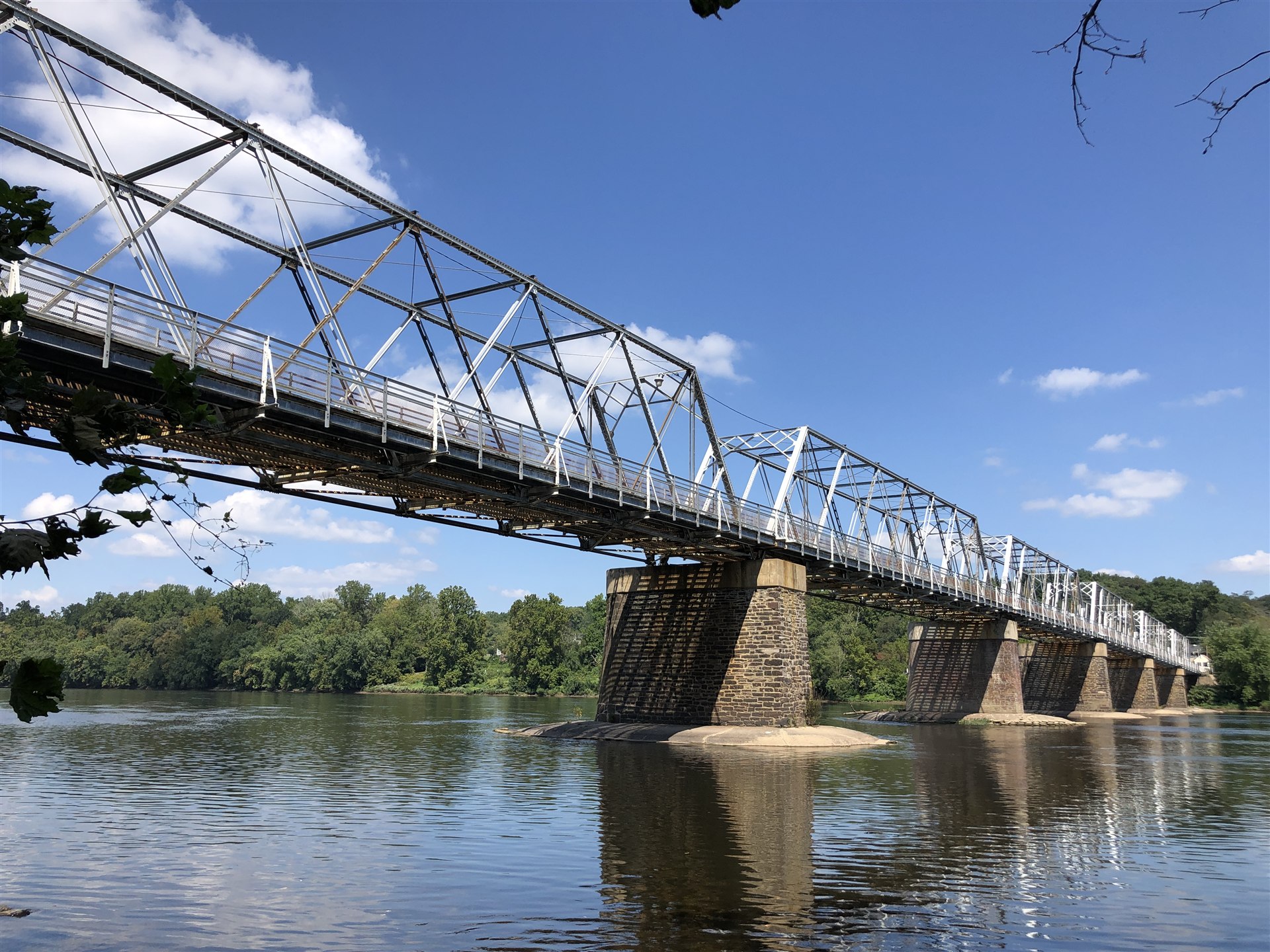
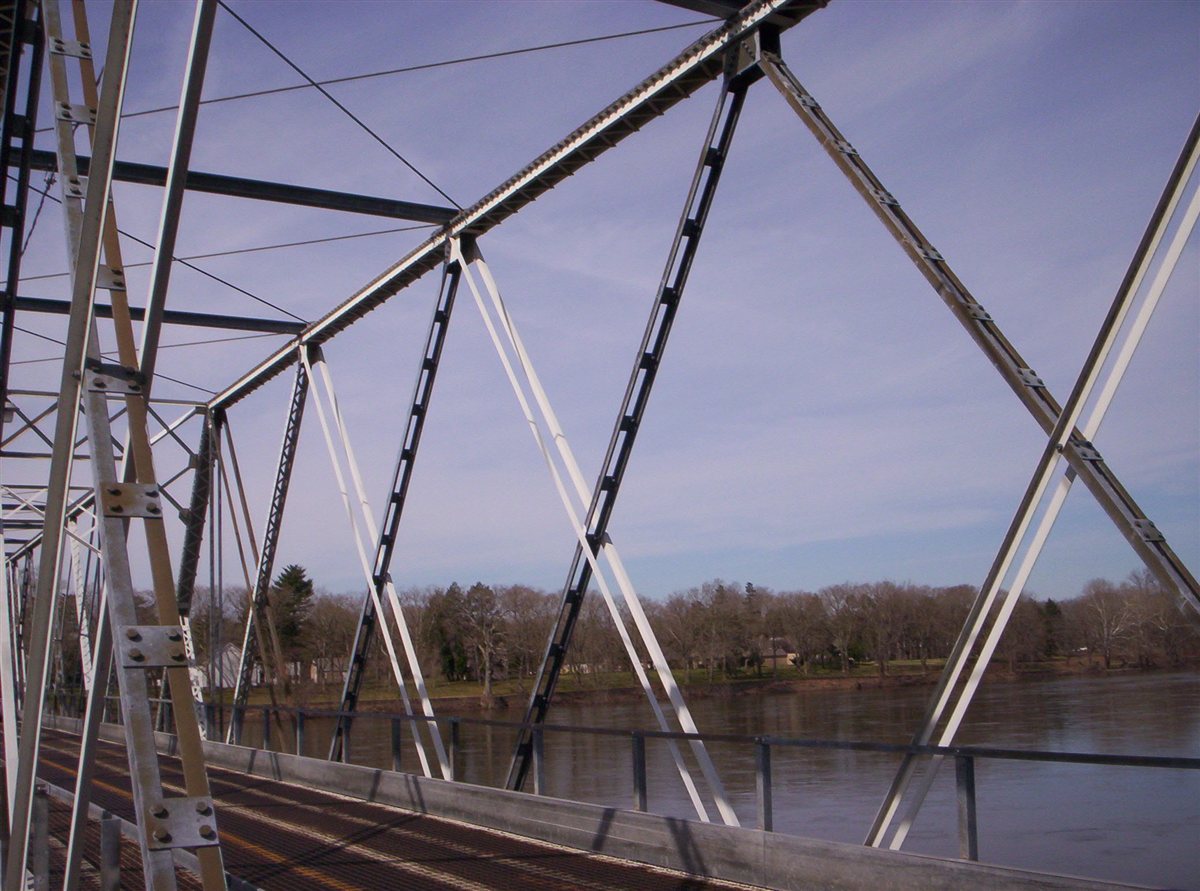
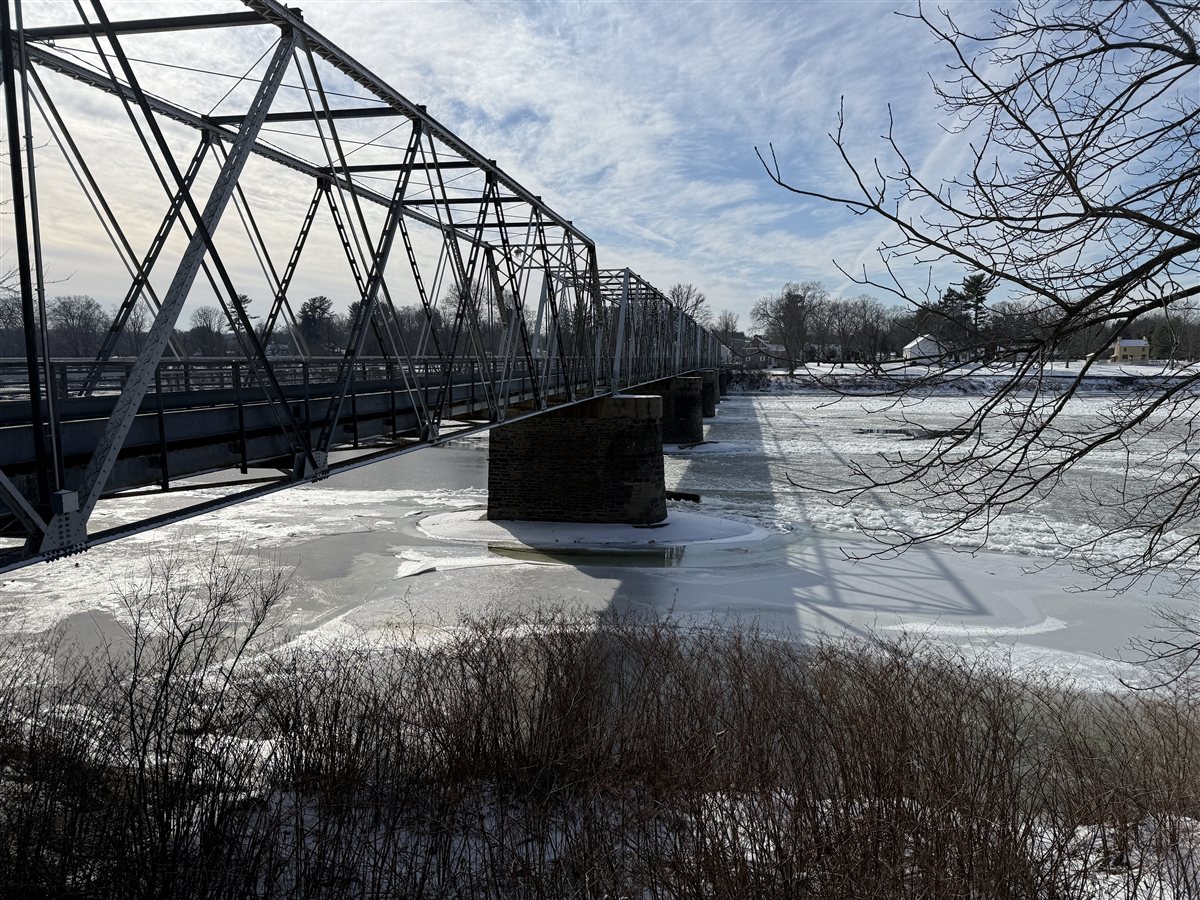
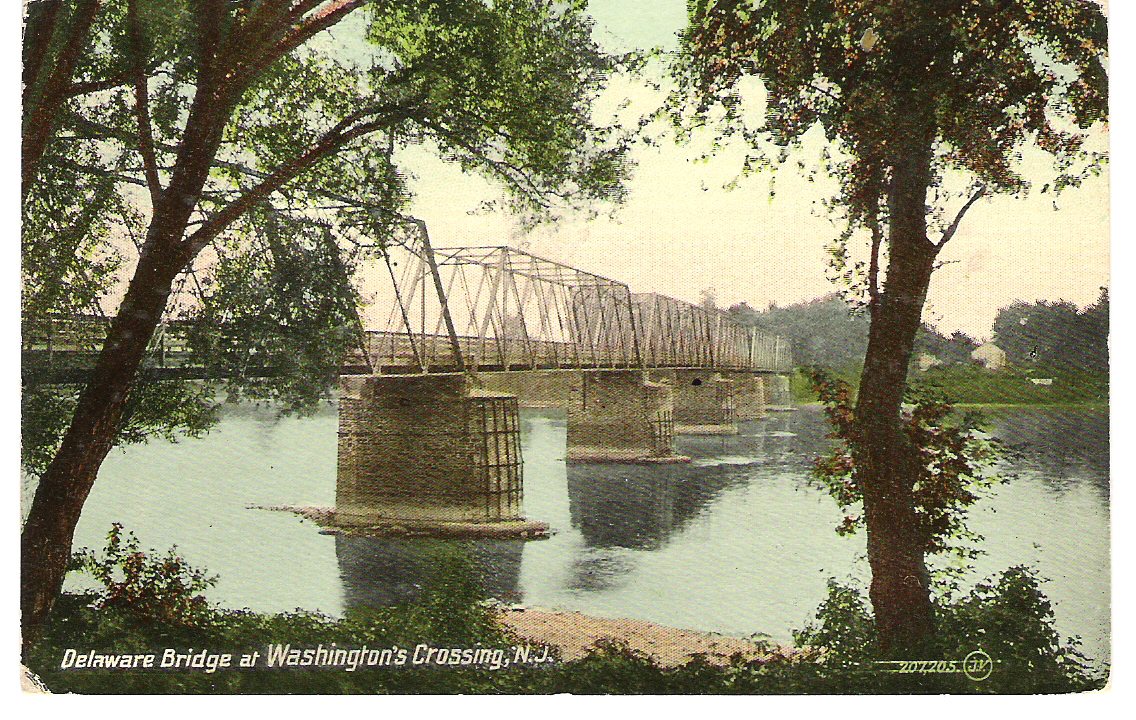
The bridge that exists today was built in 1904-1905, but the piers and embankments it rests on date to the 1830s. A historic district study confirmed the bridge and surrounding village are eligible for the National Register of Historic Places. The double Warren truss structure represents, in the words of an architectural historian, "the golden age of metal truss bridge construction."
Upper Makefield Township has hired a preservation consultant and is actively pursuing National Register designation, a move that could provide legal protection against demolition.
Washington crosses the Delaware at this exact location, changing the Revolutionary War
Original piers and embankments built, still supporting the bridge today
The current iron truss bridge opens, built for the automobile age's dawn
DRJTBC Alternatives Analysis underway; the decision window is now
A Pennsylvania Historical and Museum Commission spokesperson has confirmed the bridge is eligible for National Register of Historic Places listing. An architectural historian described the 120-year-old double Warren truss as a masterpiece, one that cannot be replicated once demolished.
Upper Makefield Township has allocated funds and hired preservation consultant Jeffrey Marshall (former Heritage Conservancy president) to pursue historic district designation for the Taylorsville section of Washington Crossing, the village the new bridge would run through.
A 500-acre state park that attracts hundreds of thousands of visitors a year. A massive modern highway crossing immediately adjacent to this park would scar its landscape, increase noise and traffic on its paths, and fundamentally undermine the historic atmosphere that makes it worth visiting.
Community Voices
"If they build to their standard, they're going to build a bridge that's bigger, heavier, and wider. There is not a good option... The best alternative is to not hurt our town."
Tom Cino
Supervisor, Upper Makefield Township
"If they have a real full bridge that is not terrifying to cross, the traffic will really be a disaster. We're all very concerned."
Courtney Peters-Manning
Mayor, Hopewell, New Jersey
"You get that first truck over the bridge and you're going to ruin the quaintness. I don't want anything to happen. I want it to stay as it is for eternity."
Rick Speranza
Vice President, Newtown Historic Association
"Historic village buildings have dirt foundations and cannot withstand vibrations from heavier traffic. A new bridge built to modern standards would be bigger, heavier, and wider; one option would open the door to heavy truck traffic."
Community testimony
Washington Crossing Bridge Public Scoping Session, 2026
See What We're Fighting to Save
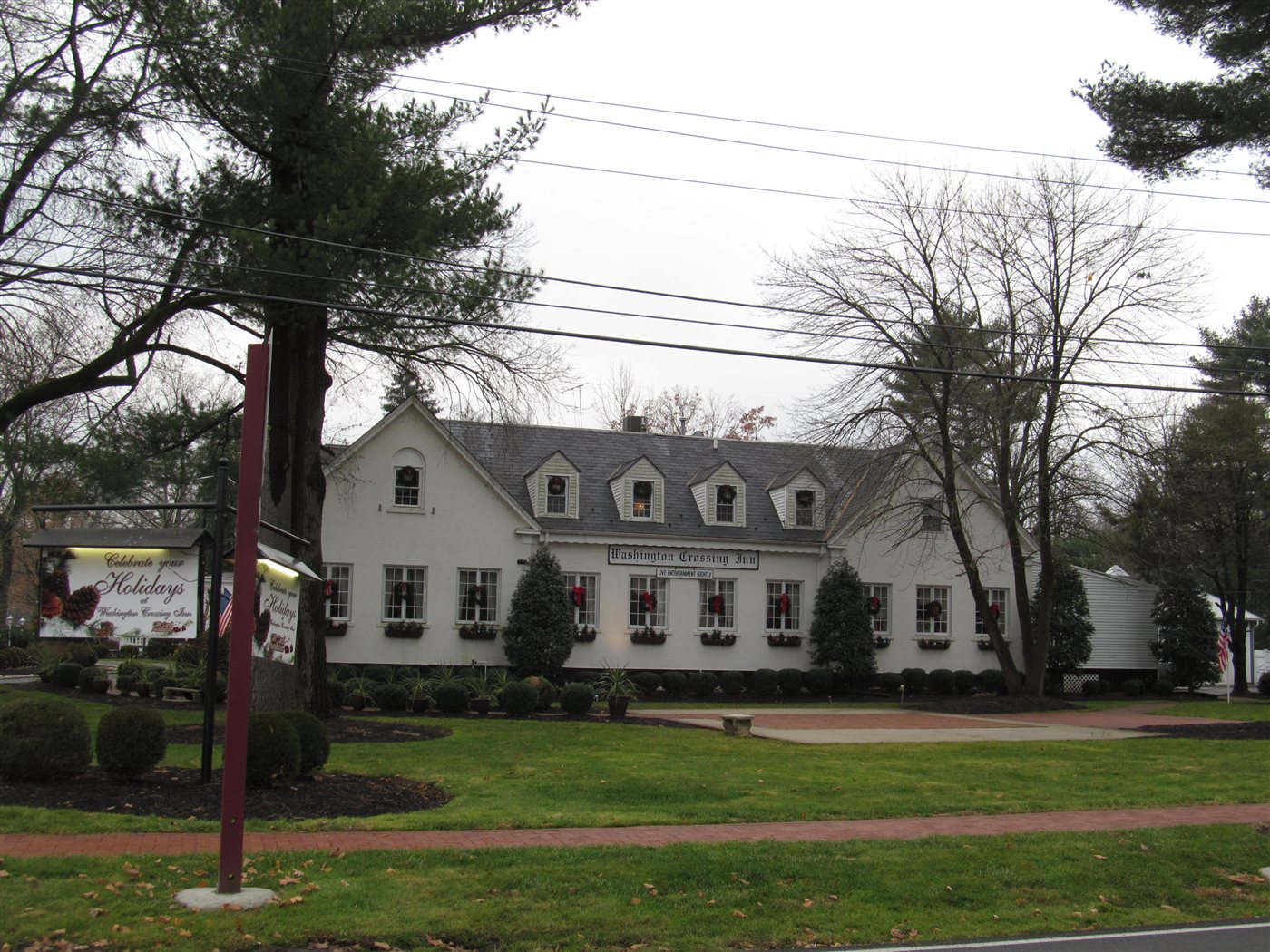
The village, the park, the bridge, the river: all of it at stake. Click any photo to enlarge.
Village photos via Wikimedia Commons under Creative Commons licenses.
Our Position
The study must include all alternatives with equal rigor. The Commission cannot use a deficiency checklist to justify the most destructive option while treating rehabilitation as a checkbox.
Modern engineering can extend the life of the existing iron truss for decades. The 2025 inspection confirmed it is structurally sound for posted loads. Invest in targeted repair and reinforcement, without demolition, without a new wider road.
The Scudder Falls Bridge, a full-capacity modern crossing - is 3 miles south. Wrightstown supervisors have formally stated it "can adequately handle cross-river traffic." Route heavier loads there. Leave Washington Crossing alone.
Convert to alternating one-way traffic controlled by signals. This improves flow and safety on the existing narrow span without widening, without demolition, and without opening the village to unrestricted traffic.
Get Involved
The DRJTBC responds to sustained pressure. The public comment period closed in March 2026, but the study is not over, and your elected officials still have influence. Here's what to do:
Add your name and ZIP to show the Commission the breadth of opposition. We will deliver signatures directly to the Commission and to your state representatives.
Write to info@drjtbc.org or call (609) 882-2000. Tell them you oppose any replacement that widens the crossing or removes weight restrictions.
PA and NJ state legislators can apply direct political pressure on the Commission. Find your rep below and call their office; a phone call carries more weight than an email.
Post on social media, neighborhood Facebook groups, and Nextdoor. Use the before/after comparison; it's the fastest way to make someone understand what's at stake.
Contact Upper Makefield Township and support their National Register application. Historic designation is one of the strongest legal tools available to protect the site.
Demand the DRJTBC protect Washington Crossing; no replacement bridge that widens the crossing or removes weight restrictions.
Join 847 neighbors who have already signed
Apply Pressure
The Commission controls the study. Write to oppose any replacement that widens the crossing or removes weight restrictions.
Email the CommissionAlready opposing replacement - support their historic designation efforts and their formal resolution.
Contact TownshipUrge SHPO to expedite the National Register application for the bridge and Taylorsville district.
Contact SHPOYour PA House and Senate representatives can formally intervene. Call their offices - calls matter more than emails.
Find Your PA RepHopewell and Mercer County residents - the NJ side has equal standing. Contact your Assembly and Senate members.
Find Your NJ RepLetters to the editor amplify the story. Write to the Bucks County Courier Times and Philadelphia Inquirer.
Send a LetterMake It Easy
Copy, personalize, and send to info@drjtbc.org
Common Questions